Oct 16, 2026Buying Guides
A Kids Camera Sample Just Landed. What Experienced Buyers Check First
Photos always look perfect. What experienced distributors spend an afternoon checking before confirming a kids camera order: screens in real light, honest batteries, buttons in small hands.
The screen decides almost everything
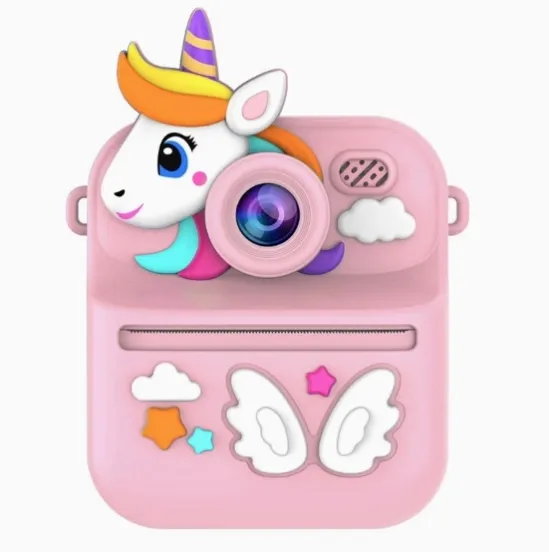
The first escape from the desk is the window. A kids camera is held short-armed, outdoors, at an angle, and half the time it is being pointed at a wet trampoline rather than an ideal subject. Under real daylight, check whether the live preview stays readable, whether the menu text is still legible, and how much the colors shift when the camera tilts. An IPS panel that looks acceptable indoors and washed out in a park is the single most common reason a sample gets sent back with no other complaints attached.
While the camera is on, scroll through every mode a child will touch: photo, video, the silly frames, the playback. Freeze it deliberately. Tap through the menus twice as fast as a kid would. If the interface stalls mid-scroll it will stall for a seven-year-old too, and the buyer gets the phone call, not the factory.
Batteries, told in minutes rather than milliamp hours
Catalogues list battery capacity. Real users care about something else: how long the camera records, and how it feels while doing it. Run it yourself. Charge fully, start a continuous 1080p recording, and write down the shutdown time. Note how hot the body gets around the half-hour mark. A body that is uncomfortable to hold at minute thirty is the batch that turns into reviews mentioning it gets hot and the battery died quickly, two complaints about the same root cause that nobody connected until customers wrote both.
If the program includes standby use, the second number matters too: charge the camera, leave it overnight, and see what is left at breakfast. Gift-season returns are full of cameras that did both recording and standby badly, and every one of them passed a five-minute office test.
Hands are smaller than yours, and floors are harder than carpets
Then the physical routine. Shoot with the shutter button only. Feel the zoom lever with a fingertip. Turn the camera off and on a dozen times, because kids do exactly that for fun. Pull the wrist strap anchor with a short, sharp tug; a strap that unclips from a plastic loop inside the case becomes somebody's cracked screen. Then drop the camera once from pocket height onto a hard floor. Not on the carpet in the office, on the floor of the corridor. Look at the case fit and the corner seams afterwards. One drop is not a certification. It just catches the batch where the shell halves were welded two tenths of a millimeter apart.
The remaining checks take ten minutes and matter for holiday club programs: speaker volume at maximum with a hand cupped over it, because kids show their camera to a friend in a noisy room; the SD card cover latch; how the USB port holds a cable; the rotation mechanism cycled fifty times on selfie-style models; whether the included charging plug matches the destination market; and whether the printed manual is readable in the languages the boxes are sold in.
What gets written into the order
None of this turns into a specification sheet, and that is fine. What it turns into is a pair of lines in the order confirmation. The buyers we work with ask for two things before cartons are sealed: a short clip of a handful of randomly picked units switching on and recording, and photos of the export cartons closed. Randomly picked is the important phrase. Five cameras chosen by someone else's hand say more about the next thousand than fifty cameras arranged for a photo.
If you are lining up a kids camera program and want a sample to put through this exact routine, tell us what you plan to sell: model, quantities, colors, target market. A sample request is easy to arrange from Guangzhou, and our cameras are built for exactly this kind of testing. Send the details through the inquiry form and we will follow up with real options, including MOQ and a sample plan that fits your season.