Oct 16, 2026Buying Guides
How to Choose a Camera OEM/ODM Manufacturer: A 2026 Sourcing Guide for Brands and Distributors
A practical framework for vetting camera and camera-accessory factories: engineering depth, sensor sourcing, tooling, QC, and certifications.
Sourcing a camera is not like sourcing a t-shirt. A camera is a system of optics, sensors, firmware, power management, and mechanical tolerances that must work together reliably across thousands of units. Choosing the wrong manufacturing partner does not just delay a launch. It can produce returns, brand damage, and certification failures that cost far more than the unit price. This guide outlines what B2B buyers should verify before signing a tooling deposit.
Step 1: Start with the product definition, not the price
Before you request quotes, define the product brief: use case, target retail price, sensor format, video resolution and frame rate, connectivity (Wi-Fi, Bluetooth, USB-C), battery target, enclosure material, and compliance markets. Factories quote very differently depending on how much they must invent. A clear brief lets you compare like for like and separates genuine OEM capability from simple trading companies.
Step 2: Verify in-house engineering and tooling
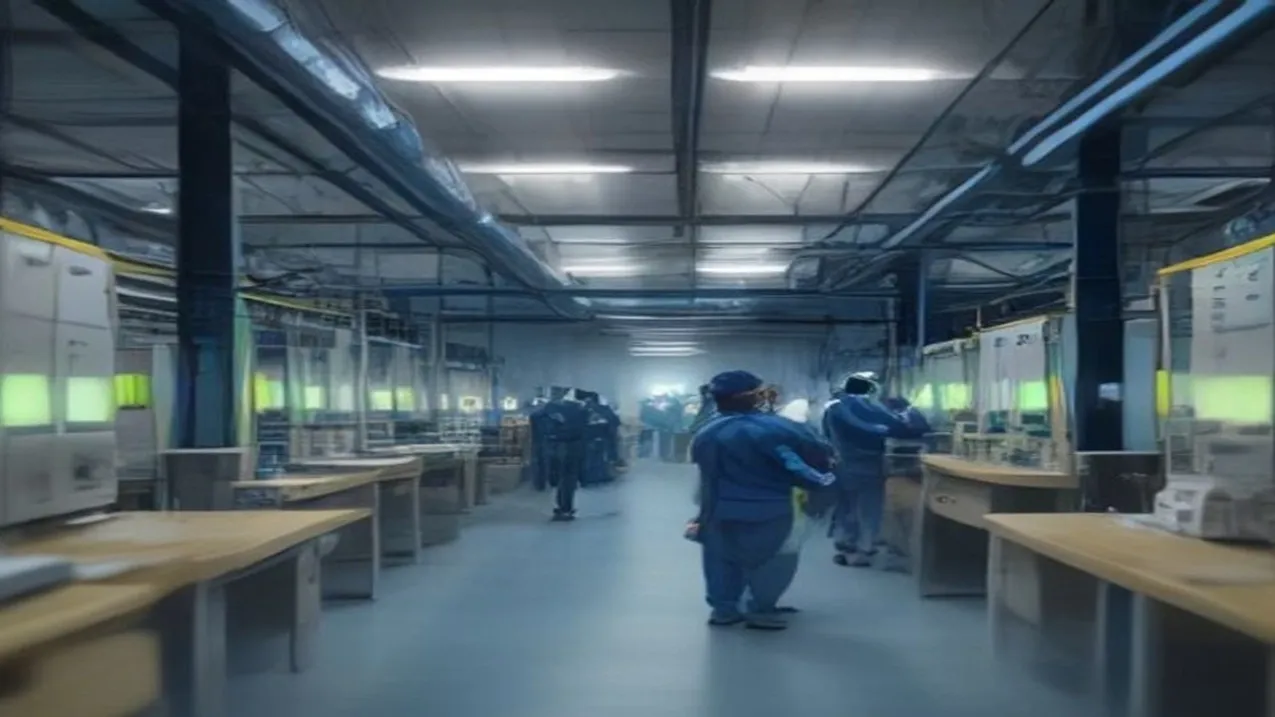
Ask which steps happen under one roof. Reliable camera manufacturers run SMT lines, lens and module assembly, injection molding or tooling management, firmware development, and final QC internally. Request a factory tour, virtual is acceptable, and ask for the number of production lines, monthly capacity, and the size of the R&D team. A partner that only assembles imported modules will struggle to solve image-quality problems or customize firmware.
Step 3: Understand sensor and component sourcing
The image sensor defines image quality, low-light performance, and much of the bill of materials. Ask which sensor brands and part numbers the factory can access, whether they buy through authorized distribution, and how they manage long-term supply. For B2B orders, confirm that the chosen sensor and companion ISP stay available for at least 24 months, and request a second-source plan for critical components.
Step 4: Firmware, app, and connectivity support
Modern cameras ship with a companion app, an over-the-air update path, and sometimes cloud features. Confirm who owns the firmware and whether the factory provides an SDK or white-label app. Clarify licensing, source-code escrow, and how bug fixes are handled after launch. A manufacturer with in-house firmware engineers will resolve issues in days; one that outsources may take weeks.
Step 5: Quality control and certifications
Ask for the QC process at each stage: incoming material inspection (IQC), in-process checks (IPQC), and pre-shipment inspection (PSI) with AQL sampling. Request reliability testing such as drop tests, IP-rating verification, thermal cycling, and battery safety. For export markets, confirm the factory can support CE, FCC, RoHS, REACH, and, where relevant, UL or PSE. Certificates should be issued in your brand's name, not reused from another customer.
Step 6: MOQ, lead time, and payment terms
Typical MOQs for cameras range from 500 to 3,000 units per model, with tooling amortized separately. Ask for a lead-time breakdown covering sample, tooling, pilot run, mass production, and shipping. Standard terms are 30% deposit and 70% before shipment, but you can negotiate milestone payments tied to sample approval and pre-shipment inspection. Confirm Incoterms such as FOB, CIF, or DDP, and agree who owns customs and compliance risk.
Red flags and due diligence
Be cautious of quotes that are far below the market average, vague answers about sensor part numbers, refusal to allow an audit, and factories that cannot name current reference customers. Verify the business license, check for factory audits such as BSCI or ISO 9001, and speak with two or three existing clients. A short paid sample run and a video audit are inexpensive insurance.
Bottom line
The best camera manufacturing partner is not the cheapest. It is the one with genuine engineering depth, transparent component sourcing, disciplined quality control, and clear terms. Vet these areas before tooling, and you protect your margin, your launch date, and your brand.